
Are Restaurants Competing with Your Phone? The Battle for Attention in 2026
A table for two on a Friday night. The server brings menus, water, a candle. Before either person opens the menu, both pick up their phones. One scrolls through social media. The other opens a sports betting app. The restaurant has done everything right – the lighting, the playlist, the specials board, the staff who know the regulars by name – but it’s still competing with a glowing screen that never runs out of content.
The phone has become the largest competitor a local dining room faces, not because the food has gotten worse, but because the alternatives have become so frictionless that they can pull a diner’s attention away between ordering and eating, or keep them home entirely.
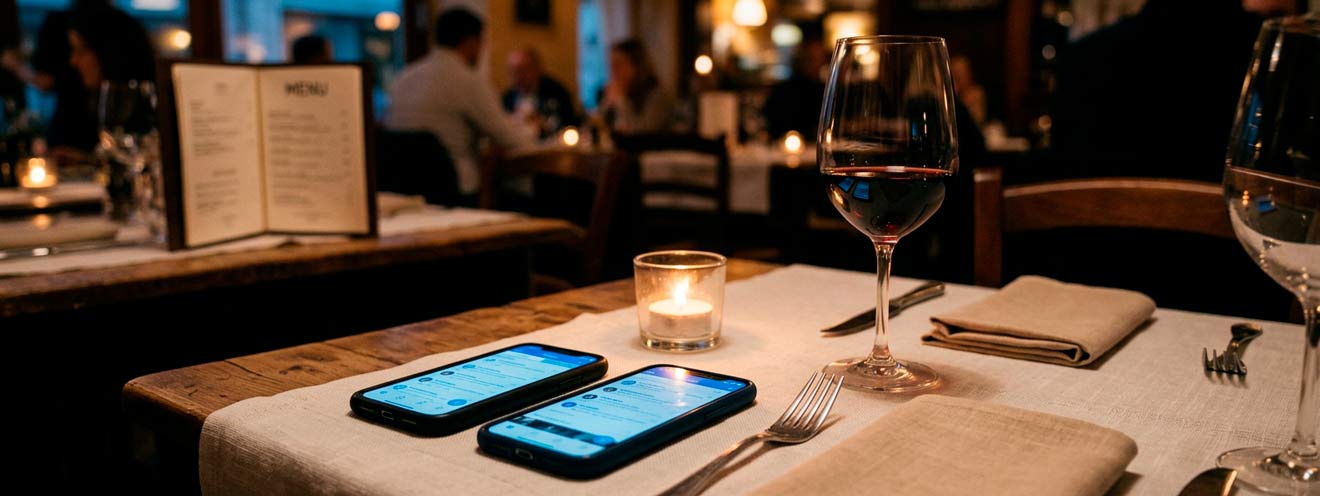
01 The table-for-two vs. the glowing screen
Cellphone adoption in Canada has reached the point where it now outnumbers the population: 41.6 million cellular mobile connections were active in Canada in early 2025 – equivalent to 104% of the total population. Among online adults, 90% access the internet via a mobile phone. Smartphone penetration sits at 86.5% of the total population, with the lowest adoption still in the 85% range among older demographics. Every diner who walks through the door has a screen in their pocket.
| 20.3% | of youth in grades 6–12 reported eating meals while using an electronic device seven or more times in the previous week. New Brunswick Health Council, 2023–2024. |
| 7.42B | smartphones in use globally in early 2025 – 1.5 billion more than five years earlier, growing four times faster than the global population. |
The numbers make the backdrop clear: the restaurant is no longer competing only with the place across the street. It’s competing with the entire content ecosystem that lives in every customer’s hand.
02 The three-headed attention monster: social, streaming, gaming
Phone time fractures into three main streams. Social media and messaging represent the most visible competitor – the check-in photo, the scroll between courses, the group chat that can’t wait. Nearly one-quarter of online Canadians now use a second device almost every time they watch video content, and 61% multitask daily. Restaurants with free WiFi unwittingly encourage staying connected rather than present.
Streaming has also shifted attention patterns. According to the Media Technology Monitor, nearly a third of Anglophone households in Canada are now streaming-only homes. A household accustomed to on-demand entertainment carries that expectation into a dining room. 85% of Canadians now prefer movie nights at home to going out, and 55% say they’d rather invest in their entertainment setups than spend on external experiences.
Mobile gaming occupies the gap that used to belong to conversation. Casual apps and strategy games fill three-minute waits for a burger and often extend into fifteen-minute sessions. The psychological mechanism that keeps users engaged, minimal friction, continuous play, operates on the same principle as autoplay. University of Chicago researchers found that turning off autoplay on Netflix reduced viewing sessions by about 18 minutes. The equivalent mechanism in mobile games has no off switch.
03 The rise of mobile gambling on Ontario’s dinner tables
Ontario launched its regulated iGaming market in April 2022. By the end of the 2025 calendar year, licensed operators had handled $98.3 billion in total wagers, generating $4 billion in non-adjusted gross gaming revenue – year-on-year increases of 26% and 34% respectively. January 2026 alone saw $9.52 billion in wagers, the highest monthly total on record and a 21.4% increase from the same month the previous year. The market counted more than 2.6 million active player accounts across 50 licensed operators.
| 2.6M+ | active player accounts in Ontario’s regulated iGaming market by end of 2025, across 50 licensed operators. |
| $9.52B | in wagers in January 2026 alone – the highest monthly total on record, up 21.4% year-over-year. |
What makes this directly relevant to the local dining scene is timing. Peak online casino activity consistently lands in the 8pm–midnight window, precisely when dinner service is busiest. The price comparison is direct: a modest deposit on a casino app costs roughly the same as a house cocktail at a sit-down restaurant. The session begins instantly, requires no travel, no reservation, and no dress code.
TD Economics reported that entertainment spending expanded roughly 10.2% from January to November 2025, making it the fastest-growing category of consumer expenditure in Canada, accounting for 16.7% of total spending. Moneris data shows entertainment spending grew 11% year-over-year in Q1 2026, with the average transaction size increasing by 17%. Dining out is included in that category, but so are digital leisure options, and the phone gives those options equal real estate on the home screen.
When households face budget pressure, dining out is among the first categories trimmed: a TD survey found that 55% of Canadians plan to cut back on eating out, while 44% intend to reduce entertainment spending. Digital entertainment, accessible from the couch for the price of a small deposit, often survives the budget knife longer than the sit-down dinner.
04 What local restaurants are doing about it
Across York Region, independent kitchens are adapting in ways that acknowledge the phone without surrendering to it. Some venues deliberately incorporate live music on Friday and Saturday nights, creating a physical reason for hands to stay off screens. Independent pubs have introduced board games at tables, replacing the digital scroll with a tangible object that demands attention and human interaction. Diners who walk into a live-music bar on Woodbine Avenue or a board-game pub in Holland Landing find that the phone suddenly faces competition that a menu alone cannot provide.
Kitchens that post weekly specials on social media have adopted a practical strategy: they meet the customer on the phone first, then convert that glance into a real-world visit. The Facebook post announcing a new special at 4pm on a Thursday isn’t just a marketing tactic, it’s a bridge from the screen back to the table. The same device that drains attention during a meal is also the tool that books the reservation in the first place.
No East Gwillimbury restaurant has yet introduced phone-free hours or screen-down cocktail deals, but the tension between dining and device is unmistakable. A venue that can offer an experience the phone cannot replicate, a hot dish served by a real person, a live band, a board game, will hold the table longer than one that quietly accepts the phone as a permanent third guest.
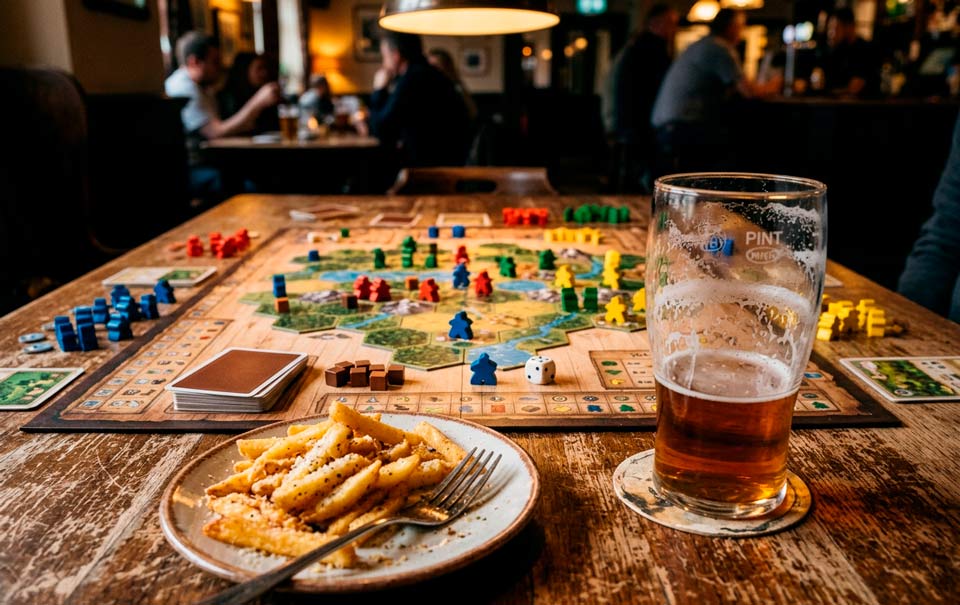
05 The stay-in vs. go-out split: how phones tilt the decision
The decision of whether to go out or stay in now happens largely through a phone-based calculation. The ‘homebody economy’, a term coined by Samsung and Edelman Canada in their 2025 survey, reflects a structural shift: 85% of Canadians prefer movie nights at home over going out, and more than half prefer investing in home entertainment setups rather than spending on external experiences.
| Evening option | Approx. cost | Travel | Screen time |
|---|---|---|---|
| Dine-in at a local Main Street kitchen (meal + drink) | $35–55 | Yes | Variable |
| Takeout + streaming + regulated casino deposit | $28–48 | None | High |
| Live-music bar (cover + drink + late snack) | $40–60 | Yes | Moderate |
The takeout-plus-casino combination delivers the entire evening through a single interface, with no keys, no coat check, and no weather. That convenience premium has measurable weight. When money gets tight, 55% of Canadians say they cut restaurant meals first, but digital entertainment, accessible from the couch, often survives the budget knife longer than the sit-down dinner.
06 How to win back the night (without a digital detox lecture)
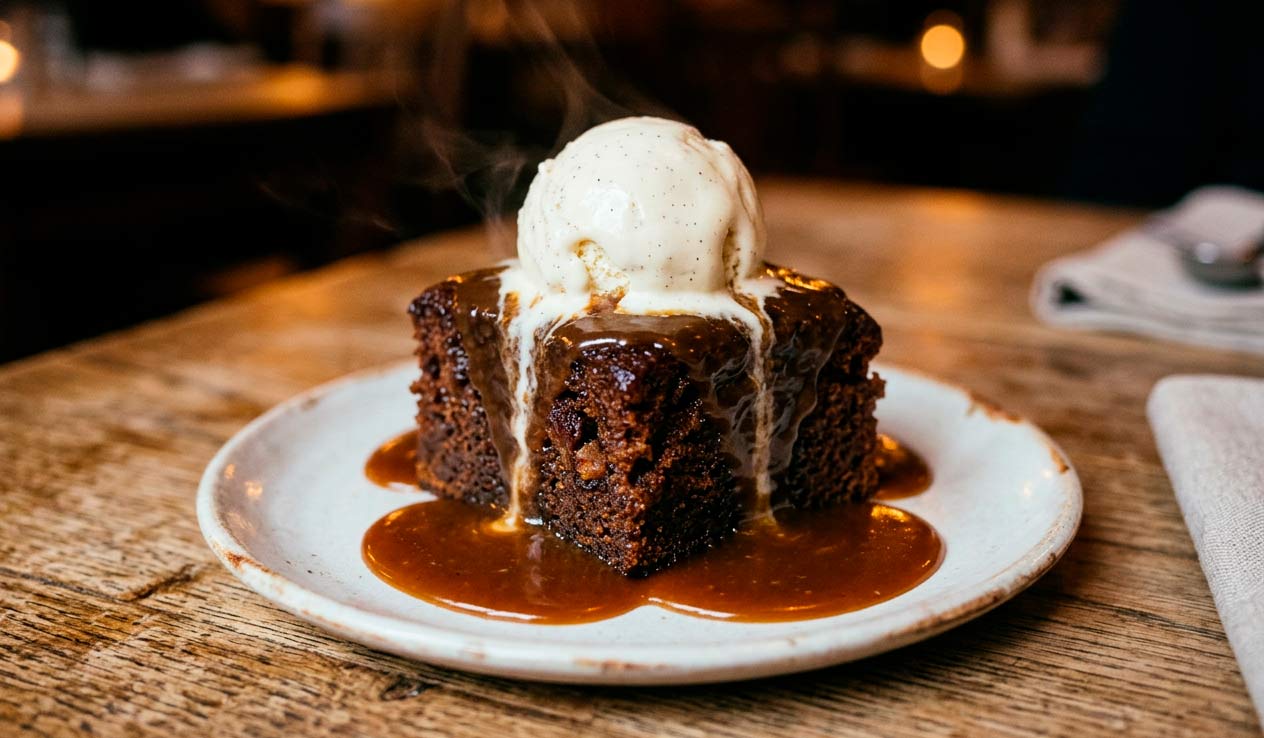
Eating out remains one of the few activities that forces a pause from screens. But only if the diner chooses to let it. Several small strategies can tilt the evening back in favour of the table.
▸ Order a dessert that demands attention: sticky toffee pudding is nearly impossible to eat while scrolling.
▸ Choose a night when a local venue books live acoustic music or a trivia contest – the stage gives the phone direct competition.
▸ If a casino app and dinner are sharing the same evening, set the deposit limit before the appetizer arrives rather than after the cheque comes.
▸ Go with a group of four or more: conversation scales upward in a way that makes pulling out a phone less socially acceptable.
The phone will still be there after the meal. The restaurant – the warm plate, the real server, the room that smells like a kitchen rather than a screen – requires showing up in the present.
07 The bill – and the balance
The phone hasn’t ruined dining culture, but its pull on both attention and spending is now measurable and growing. In a 2026 leisure budget where mobile gambling, streaming subscriptions, dining out, and live events all sit inside the same entertainment column, restaurants are up against a competitor that never closes and never runs out of tables.
What a local independent kitchen still holds is the one advantage no app can replicate: a meal that requires two hands, a room that rewards all five senses, and a server who says “see you next week” and means it. The phone might book the reservation. The restaurant still owns the night, if the diner lets it.